81% Increase in Google ROAS
58.1% Increase in revenue
4% Increase in Meta ROAS

Our Challenge A plateauing account with rising CAC for new customers.

Pink Boutique came to us with a clear ask,

“Our ads are performing okay, but we need stronger margins, better performance, and a strategy that actually scales.”

Despite already seeing decent monthly revenue, the brand’s growth had stalled. Their Google Shopping feed wasn’t optimised to the level it required, the account structure was using multiple strategies and needed a restructure fast and profitability was being chipped away by inefficiencies. They needed fresh thinking, and fast.

Our Strategy Cut waste, fix the foundations and optimise towards new customer growth.

1. Cutting wasted ad spend

We began with a full account audit across both Google and Meta, identifying areas that have been an achilles heel on performance. Unused budget from the poor performing campaigns were reallocated to maximise efficiency and push budget into top performing areas whilst we worked on the restructure.

2. Fixing feed issues

The recurring Google Shopping feed errors were a silent killer. We worked with the client’s tech team to stabilise and streamline the feed, ensuring product data synced consistently and accurately. We then did the same for Meta and tested all ad formats to understand what resonated with the audience at what point in the funnel.

3. Restructuring for scale

Google Ads: We simplified and consolidated the overly segmented account for clearer performance tracking and improved learning. The focus here was to have the account setup based on product type given AOV and profit margins were quite similar. We also wanted this level of visibility to help with seasonal products.

Meta: We restructured campaigns to focus on the brand’s strong social following, leveraging warm audiences and high intent audiences. This restructure was performance based, focusing on best sellers, new in, trending etc.

The Results 51.8% YoY revenue increase

We rolled out changes in phases to allow algorithms time to adapt, without performance dropping off a cliff. Within weeks, the impact was clear:

  • 67.7% increase in revenue Q4 YoY on Meta
  • 78.7% increase in purchases whilst only seeing a 6% drop in AOV on Meta
  • 5.8% increase in revenue Q4 YoY on Google whilst spending 23.6% less
  • 28.5% increase in revenue Q4 YoY across all sources
  • 51.8% increase in revenue Q4 YoY from paid

By cutting waste and building a strategy that amplified what was already working, we helped this brand break out of stagnation and into scale.

Conclusion From okay to outstanding

Strong brands shouldn’t settle for “just okay” performance. With the right structure, strategy, and ongoing optimisation, even high-performing accounts can unlock new levels of profitability.

“A pleasure to work with, they really felt part of our team rather than an external agency and are clearly passionate about what they do for their customers.”

Richard
Pink Boutique

Want to be the next success story?

Get in touch

51% Increase in sales
34% Increase in conversion rate
£420k Increase in revenue

Our Challenge Turning ad spend into profit on high-ticket products

We partnered with Rowen Homes after they came to us with a few critical issues: their blended ROAS was declining, conversion rates were underperforming, and their Google Ads account structure wasn’t built for scale.

They to shift more budget toward high-ticket items, such as luxury sofas and furniture, and reduce investment in lower-ticket products. While that made sense in theory, it came with a problem: The product pages, imagery, and top of funnel storytelling weren’t strong enough to support the shift. They were focused heavily on immediate returns, but the purchase journey for these items is longer and more considered.

Our Strategy Restructure, test, and rebuild trust

1. Fixing the Foundations

We began with a full product feed cleanup, focusing on both Google Shopping and Meta. Several product groups had been built manually without much strategy, and on Google, custom labels were cannibalising each other, leading to inefficient bidding and wasted spend. We also reviewed budget distribution across both platforms to ensure it aligned with actual performance, not just assumptions.

2. Creative Control and Funnel Fit

We introduced structured creative testing on Meta, experimenting with video, carousel and static formats to understand what worked best at different stages of the funnel. We also excluded listings that used only line drawings, prioritising real-life product imagery to improve engagement and trust.

We then split tested product pages versus category pages in Google Performance Max campaigns to identify the most effective route to conversion. For high-ticket items, we found that category pages often delivered better results due to greater context and variety.

3. High-Ticket Performance Optimisation

We rebuilt campaign structures around product types, giving us more control and better visibility. For example, we separated out candles into their own campaign, which delivered a £12 CPA and £101 AOV. These changes helped us fine-tune performance by category and adapt creative and bidding strategies accordingly.

The Results

The impact of the changes was clear by the end of the quarter:

    • Conversion rate increased from 1.72% to 2.32%

    • Total purchases grew by 51% quarter on quarter

    • Meta CVR improved by 35%, while Google CVR increased by 33%

    • December Google purchases rose 121% year on year

    • Blended ROAS was maintained at 10.63, even with increased spend

    • High ticket Meta ROAS improved to 2.24 in December, up from 1.94 in October

By improving structure, creative and alignment with the customer journey, we helped this home interiors brand unlock performance and growth at scale.

Conclusion 51% increase in total purchases

Scaling high ticket products isn’t just about shifting more budget, it’s about matching intent with structure, creative, and user experience. In this case, the brand’s growth didn’t come from doing more, but from doing things better. By focusing on segmentation, feed accuracy, funnel specific creative, and tighter campaign structure, we helped Rowen Homes unlock 51% more purchases and a significant lift in conversion rate.

“A pleasure to work with Cam and the team successfully managed our paid search channels, providing both growth and efficiency across the campaigns.” – Richard (Rowen Homes)

Want to be the next success story?

Get in touch
122% Increase in sales
55% Increase in revenue
21% Decrease in CPA

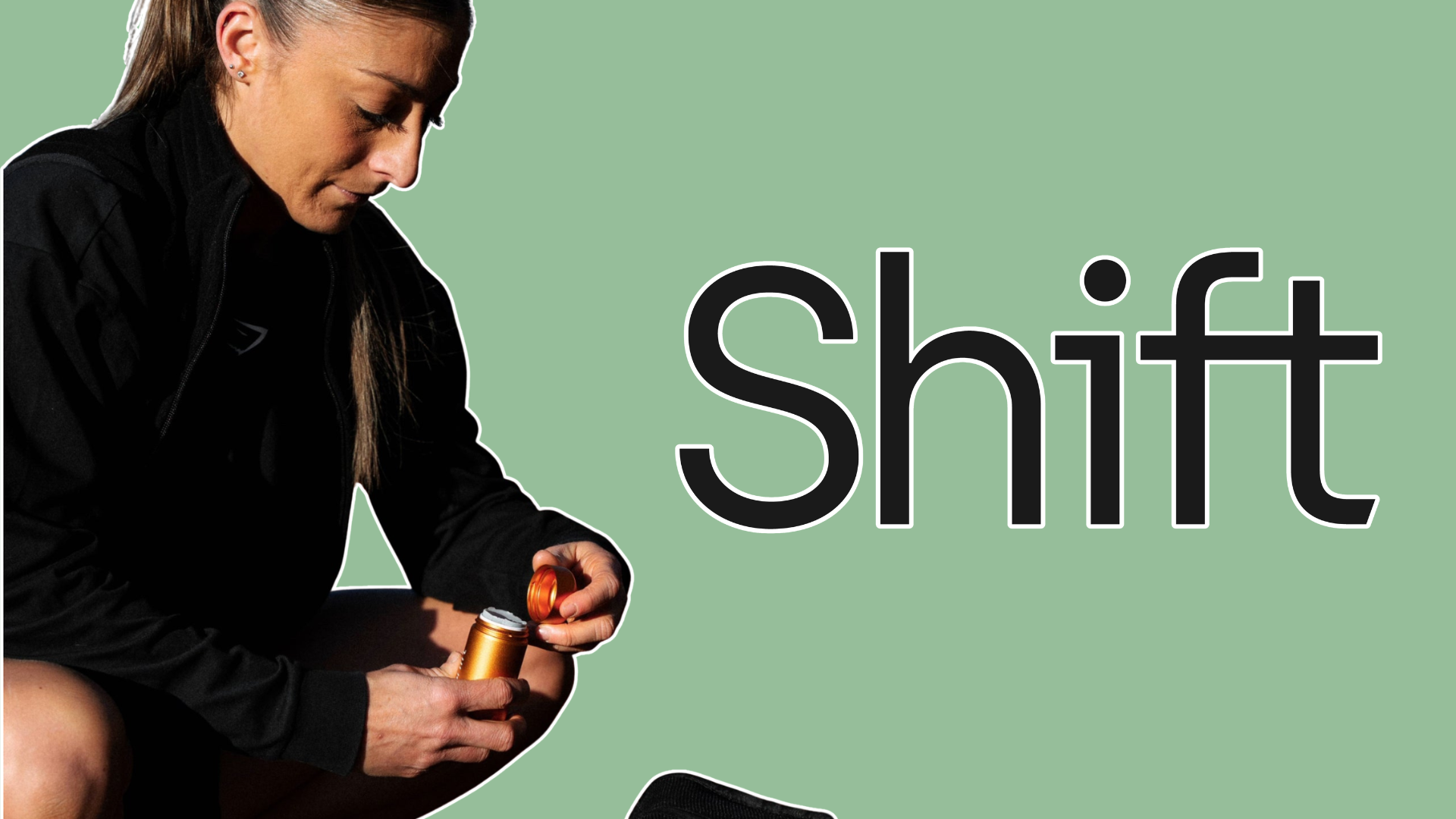
Our Challenge Growing a natural deodorant brand in a competitive skincare market

We were approached by Shift deodorant in the early stages of its launch. As a newcomer in the natural skincare and personal care space, they were up against large competitors, with very limited margins and little room for error on paid media spend.

Shift had been offering free trials in an effort to drive volume and build a customer base, but this approach was not converting into long-term, profitable sales. With cost per acquisition (CPA) too high and customer lifetime value (LTV) uncertain, their current strategy was not sustainable.

Our Strategy Shifting focus from free trials to full-price subscriptions

1. Understand the CAC

Our first step was to understand the customer acquisition cost vs. payback period. This meant looking closely at profit margins, subscription retention, and the cost of goods sold (COGS). Once we established that the free trial model would not support growth at scale, we worked with the founder to reposition the brand and rebuild the paid media strategy.

2. Proving the model was not scalable

We supported the initial free trial campaigns to generate performance data and prove that the required CPA for profitability was unachievable. The numbers were clear. Even at modest scale, the business would lose money with every customer unless retention was nearly perfect, and the payback period was much too long to support ongoing investment. This gave the client confidence to pivot away from the free trial offer.

3. Repositioning the value of a premium product

Initial creative was built around a typical “natural vs chemical deodorant” comparison, which suited a challenger brand voice but clashed with the brand’s premium price point. We helped shift the positioning to focus on product value, quality ingredients, and long term benefits. This supported full price sales and better aligned with the brand’s ideal customer.

4. Restructuring Meta ads and building a creative testing framework

We rebuilt the Meta ad account to improve efficiency and targeting. Then, we launched a creative testing strategy that included different content formats and messaging angles to determine what worked best across the funnel. This allowed us to gradually lower CPA and increase conversion while building customer trust.

The Results 122% increase in sales volume

After moving away from the free trial model and focusing on full price conversions, Shift saw major performance improvements:

    • 122% increase in sales volume

    • 21% decrease in CPA

    • Most new customers have remained subscribed past the four-month mark, indicating strong product satisfaction

    • The founder gained a clear understanding of financial performance, cost of acquisition, and realistic scaling potential

These results came from aligning the ad strategy with the actual economics of the product and understanding what it truly takes to grow a direct to consumer (DTC) brand in the health and beauty sector.

Conclusion From unsustainable, promotion-led growth to a profitable, retention-driven model built to scale.

Scaling a DTC brand in natural beauty isn’t just about driving traffic, it’s about understanding your margins, CPA and when that spend actually pays back.

Once this brand moved away from free trials and focused on stronger creative, realistic pricing and retention, growth followed naturally.

Want to be the next success story?

Get in touch